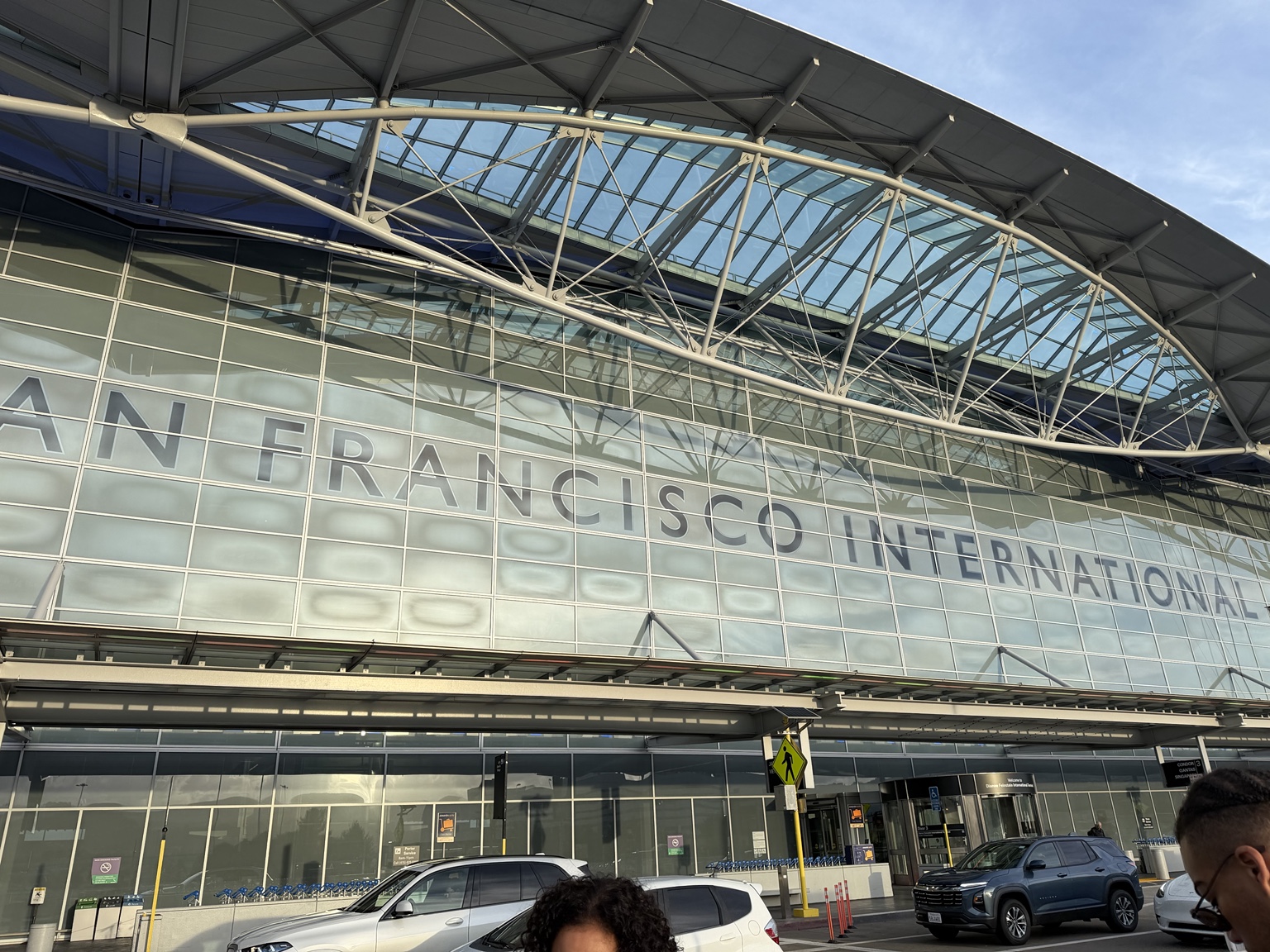
I’m writing this from San Francisco. We made it. After the Friday the 13th I had, I was braced for the worst, but here is the headline from day two of my Microsoft Ignite 2026 trip: the flight left on time.
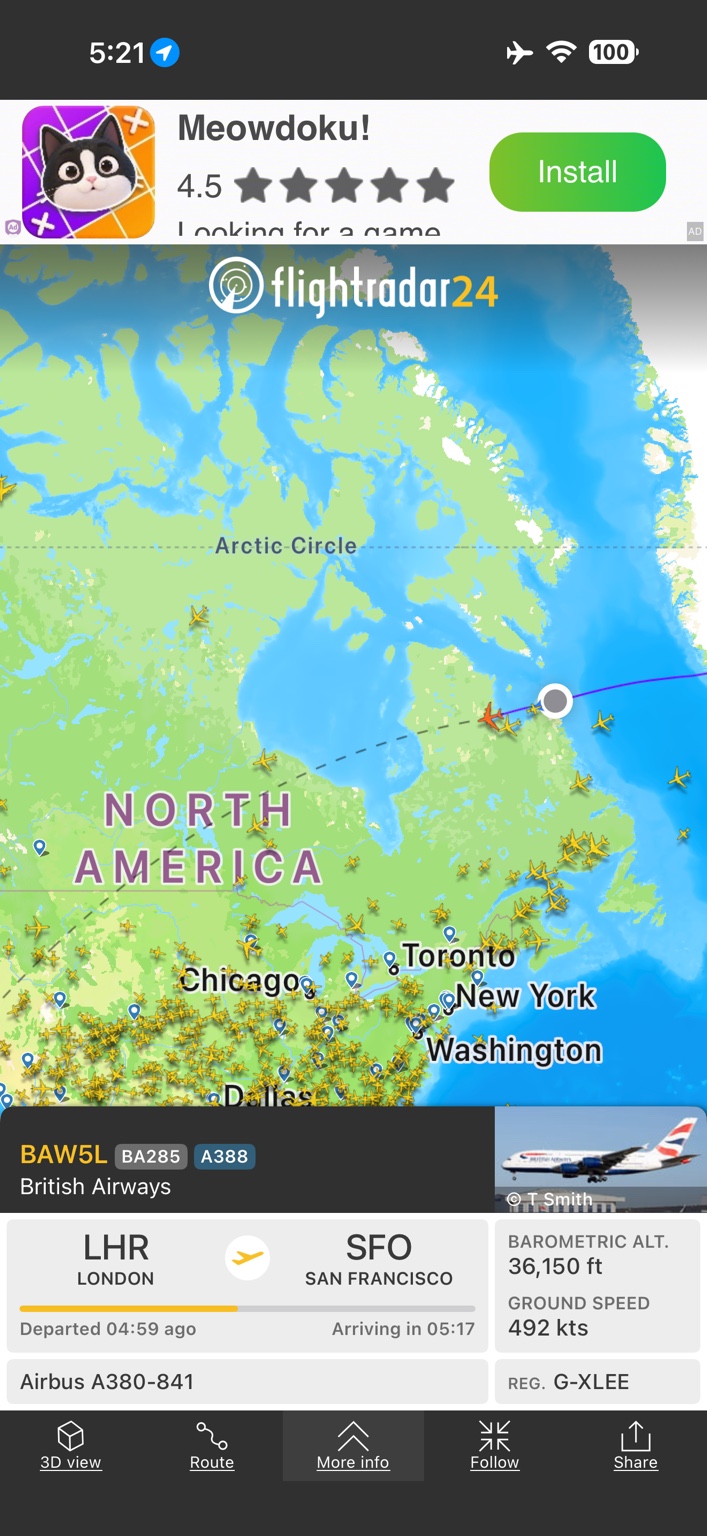
I started writing this somewhere over northern Canada, having crossed the Atlantic. At that point we were about halfway there. Now we’ve landed, made it through immigration and stepped out into San Francisco, I can finish the story.
Given Friday’s nationwide ground stop in the United States, I did not entirely expect to be writing either of those sentences.
On time, despite everything
I spent a good part of Friday night refreshing the airline app and waiting for the word ‘delayed’ to appear. It never did. We boarded when we were supposed to and pushed back when we were supposed to.
After yesterday, I will take boring and punctual every time. If you missed the drama, I wrote about Friday the 13th and the two very different outages that disrupted the day.
Ignite starts at the gate
One thing I like about travelling to a big conference is that it starts before you arrive. I bumped into a few clients and colleagues at the gate, all heading the same way for the same reason.
It’s my first Ignite, and that was a good reminder of why I still make these trips. The sessions matter. The conversations in queues, corridors and departure lounges often matter more.
My second time on an A380
The plane was an Airbus A380, the double decker. This was only my second time on one, and the size of it is still impressive. You walk down the jet bridge and it just keeps going.

I’d love to tell you I spent the flight on the upper deck with a glass of something cold. I didn’t. We were in what I can only describe as the most expensive cheap seats imaginable. Ignite week does interesting things to air fares.
Reading, Home Alone and the things that happen on planes
It was a long flight. I did some reading, then watched Home Alone, because it is mid-November and nobody at 36,000 feet can judge me.
Then there was the rugby. Wales have not beaten New Zealand since 1953. I’ve watched a lot of those defeats over the last 46 years, in a lot of different places.
On Saturday I added a new one to the list. At roughly 36,000 feet, somewhere over the North Atlantic, New Zealand won again. Different altitude, same result.
Next stop: San Francisco. And yes, immigration
The last stretch of the flight seemed to go on forever. Then came the part of any US trip that nobody particularly looks forward to: immigration.
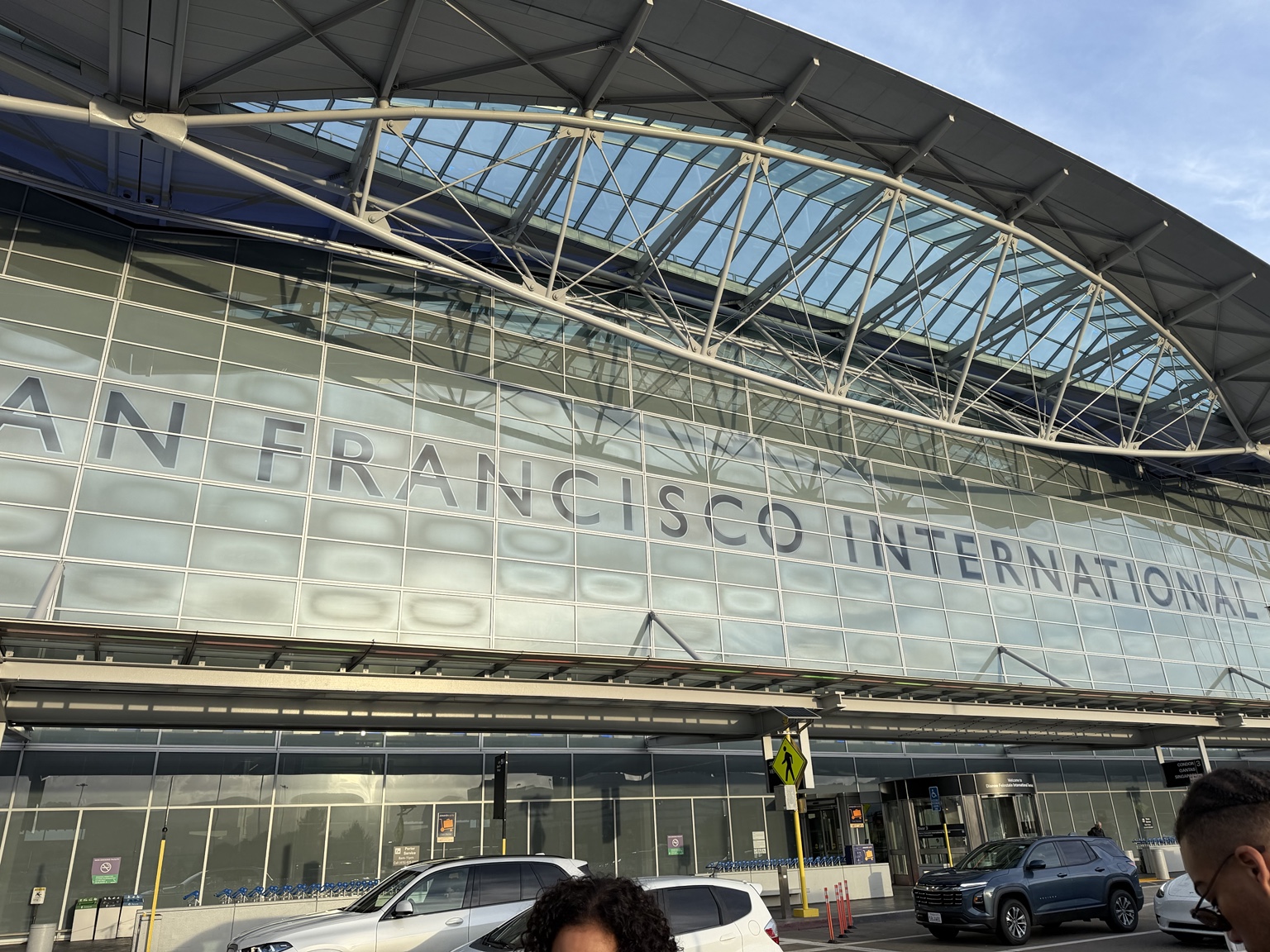
But that is behind us now. We’ve arrived at San Francisco International Airport, and I’m very glad to be on the ground. There are a couple of days to shake off the jet lag before Ignite opens on Tuesday 17 November.
My focus for the week is Microsoft Fabric Data Agents, including my session, ‘Can You Trust Your Fabric Data Agent? Test It and Prove It’. I’m looking forward to meeting people, hearing what Microsoft announces, and separating what is useful now from what still needs work.
Follow my Ignite week
I’m blogging every day of the trip, with a practical take on what the announcements mean for data teams and IT leaders. Keep an eye on the gethynellis.com blog for daily updates from San Francisco.
PakarPBN
A Private Blog Network (PBN) is a collection of websites that are controlled by a single individual or organization and used primarily to build backlinks to a “money site” in order to influence its ranking in search engines such as Google. The core idea behind a PBN is based on the importance of backlinks in Google’s ranking algorithm. Since Google views backlinks as signals of authority and trust, some website owners attempt to artificially create these signals through a controlled network of sites.
In a typical PBN setup, the owner acquires expired or aged domains that already have existing authority, backlinks, and history. These domains are rebuilt with new content and hosted separately, often using different IP addresses, hosting providers, themes, and ownership details to make them appear unrelated. Within the content published on these sites, links are strategically placed that point to the main website the owner wants to rank higher. By doing this, the owner attempts to pass link equity (also known as “link juice”) from the PBN sites to the target website.
The purpose of a PBN is to give the impression that the target website is naturally earning links from multiple independent sources. If done effectively, this can temporarily improve keyword rankings, increase organic visibility, and drive more traffic from search results.